5 Reasons Why You Should Consider Investing in a Small(er) Home
Susan Au-Young • January 5, 2021
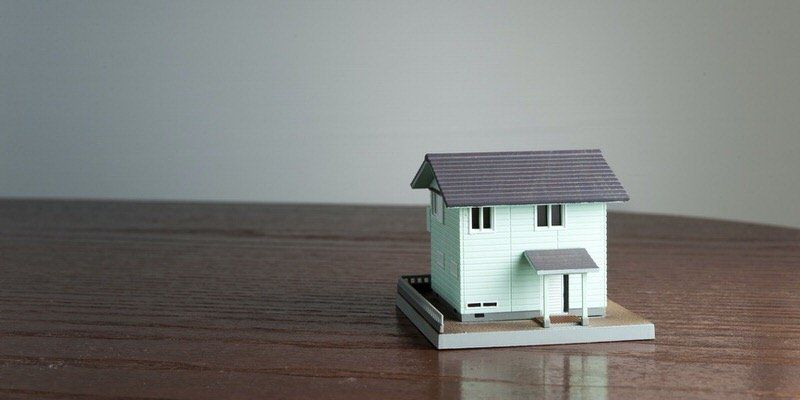
The larger home is not always the better home. Yes, there still exists a large group of individuals who enjoy owning a grand estate, complete with all the modern conveniences, in addition to everything you could ever want; and of course, there’s nothing inherently wrong with this. But for an increasing segment of society, downsizing is the new “in”; the new “chique” if you will. These folks have talked the talk and walked the walk; and at some point they decided it was time for a change.
These homestead rebels are bucking the trend while showing the rest of us the “pros” of living a simplified life, house included. The following are 5 reasons why downsizing might just actually be upsizing:
Less Pressure on the Pocketbook
Not surprisingly: The purchase price of a small house is less than that of a large house (within a similar area, of course). Now, I know that this fact isn’t news to anyone, but it still bears repeating. Why you ask? Because a large portion of society seems to be constantly on the edge of financial trouble; constantly working to fend off the bank and pay all the bills on time. This lifestyle is not only stressful, it’s exhausting.
The solution? If possible, scale down.
Additionally, a small house is less expensive when it comes to the cost of living. Think about it: to heat a 2000 square foot home requires a certain amount of dollars. Additionally, the larger rooms will demand more of your hard earned money when it comes time to upgrade. Need new windows? New doors? New kitchen cabinets? All of these things will cost you more (based on volume alone) than a house which is even marginally smaller.
Less Maintenance
In car sales, the base model is always the economically prudent choice. Of course, the luxury model contains a host of upgrades. But, these upgrades inevitably break and require fixing, while the base model continues on, uninhibited by such things. The base model is solid. When it comes to pure performance, it does everything that the luxury model can do, and it’s very much the more affordable option. So, which model do you choose? If you’re like a growing number of Canadians, those who want to see their dollar go further, you choose the base model.
Similarly, a small home may not have all the “bells and whistles” of a large home, but the baseline performance should be there, along with fewer maintenance costs, fewer breakdowns, and fewer headaches.
Smaller (Environmental) Footprint

The simple fact remains: smaller homes are more environmentally friendly than larger homes. This makes practical sense on every level. When we learn to live with less, we end up using less, we end up wasting less, and we end up polluting less. Additionally, if there are less square footage to heat, then we use less power. If there are fewer rooms to illuminate, we use fewer bulbs, and if there are fewer washroom tubs to fill and toilets to flush, we use less water.
All of this leads to a smaller environmental footprint, which is a pretty big deal.
Encourages Minimalism
Small(er) living spaces force us to think about that which is important to us. Do we need all of this stuff? Can we do without the clutter? I think we absolutely can, but only when we’re faced with these types of situations are we confronted with these (potentially) freeing thoughts. The reality of a small living space encourages a healthy sort of purge; the sort of purge where, at its peak, you realize that you own your things; that your things don’t own you.
Easier to Sell (Price Point)
Finally, the truth remains, a well maintained affordable house is a desirable house. Plain and simple.
Questions about home ownership? Wondering about the process of applying for a mortgage? Need direction? Contact me, and let me walk you through your options. You won’t be disappointed.
Share

RECENT POSTS
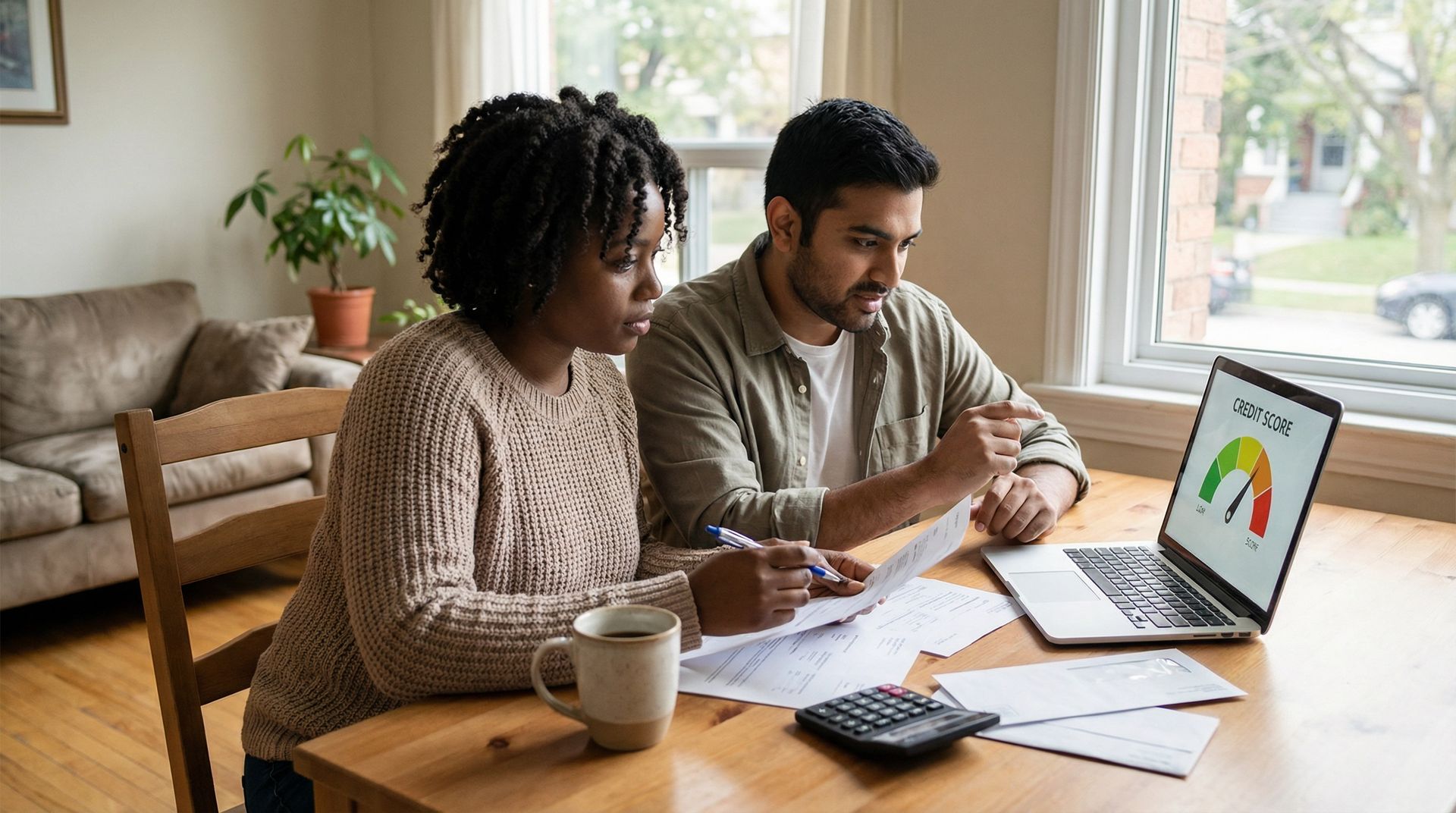
Your credit score is one of the most important numbers in your financial life — especially when it comes to getting a mortgage. But for most Canadians, how that number actually gets calculated remains a bit of a mystery.

If you’re looking to do some home renovations but don’t have all the cash up front to pay for materials and contractors, here are a few ways to use mortgage financing to bring everything together. Existing Home Owners - Mortgage Refinance Probably the most straightforward solution, if you’re an existing homeowner, would be to access home equity through a mortgage refinance. Depending on the terms of your existing mortgage, a mid-term mortgage refinance might make good financial sense; there’s even a chance of lowering your overall cost of borrowing while adding the cost of the renovations to your mortgage. As your financial situation is unique, it never hurts to have the conversation, run the numbers, and look at your options. Let’s talk! If you're not in a huge rush, it might be worth waiting until your existing term is up for renewal. This is a great time to refinance as you won’t incur a penalty to break your existing mortgage. Now, regardless of when you refinance, mid-term or at renewal, you’re able to access up to 80% of the appraised value of your home, assuming you qualify for the increased mortgage amount. Home Equity Line of Credit Instead of talking with a bank about an unsecured line of credit, if you have significant home equity, a home equity line of credit (HELOC) could be a better option for you. An unsecured line of credit usually comes with a pretty high rate. In contrast, a HELOC uses your home as collateral, allowing the lender to give you considerably more favourable terms. There are several different ways to use a HELOC, so if you’d like to talk more about what this could look like for you, connect anytime! Buying a Property - Purchase Plus Improvements If you’re looking to purchase a property that could use some work, some lenders will allow you to add extra money to your mortgage to cover the cost of renovations. This is called a purchase plus improvements. The key thing to keep in mind is that the renovations must increase the value of the property. There is a process to follow and a lot of details to go over, but we can do this together. So if you’d like to discuss using your mortgage to cover the cost of renovating your home, please connect anytime!